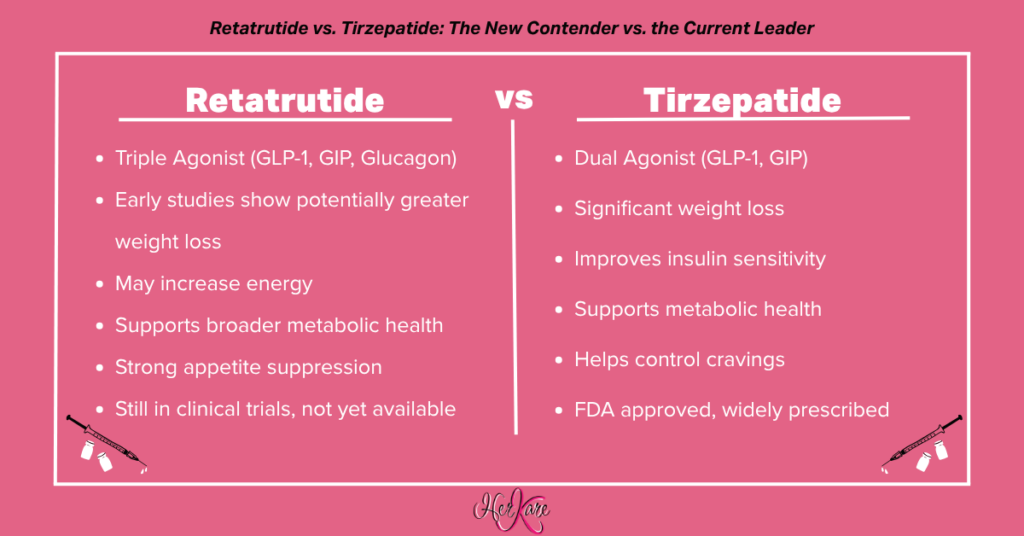
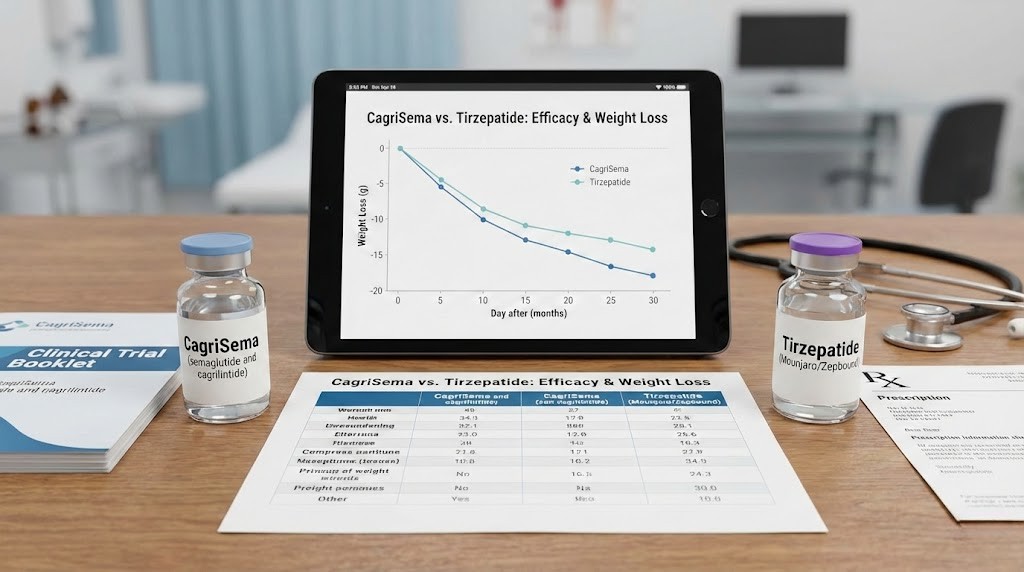
This synergistic approach can offer comprehensive support but should only ever be attempted under the direct supervision of a qualified physician
On the other hand, for the L-NAME retrobulbar applicationinduced retinal ischemia model and BPC 157 therapy in rats, we should emphasize the point that animal studies per se may be cautious regarding their results, although the role of an animal model is indispensable (Minhas et al., 2015

Hypothetical Conservative Combination Protocol A conservative approach to combining these peptides would likely involve: Phase 1: Tirzepatide Establishment (Weeks 1-12) Week 1-4: Tirzepatide 2.5 mg weekly Week 5-8: Tirzepatide 5 mg weekly Week 9-12: Tirzepatide 7.5 mg weekly Cagrilintide: None (establish baseline tolerance) Phase 2: Cagrilintide Introduction (Weeks 13-20) Week 13-16: Tirzepatide 7.5 mg + Cagrilintide 0.6 mg weekly Week 17-20: Tirzepatide 7.5 mg + Cagrilintide 1.2 mg weekly Phase 3: Optimization (Week 21+) Tirzepatide 10-12.5 mg + Cagrilintide 2.4 mg weekly Adjust based on tolerance and response "The key principle when considering any peptide combination is sequential introduction with careful monitoring of tolerability markers, particularly gastrointestinal symptoms that could compound across mechanisms." This theoretical framework prioritizes safety through staged introduction, though actual clinical protocols would require medical supervision and monitoring

Similar to MOR, KOR activation in GP hyperpolarizes about 25% of cells and presynaptically inhibits GABAergic input from striatum and local GABAergic collaterals (Ogura and Kita, 2000)
doi:10.2174/138161211796197179